THE STONE INDEPENDENT SCHOOL
Middle School
at Stone
Our emphasis focuses on capacity building, relationship to work, and identifying the intellectual self.
We are committed to growing well-rounded, engaged citizens who can analyze complex issues and make meaningful contributions to society and various professional fields.
That all starts in Mod 1 of Middle School.
The creative curiosity in our Middle School is inspiring. Though many of the skills they practice and the content they encounter is meant to prepare our Middle School students for Upper School, we believe in the sacredness of this time of development in and of itself.
We believe Middle School is an incredibly special and celebratory time in a student’s life.
The work of Middle School.
Research.
Our central goal is teaching students to learn authentically and transferably, so that they continue to grow long after their time in our classrooms.
That is why we refer to ourselves as a Research and Design School: because these two practices anchor our pedagogy and define our vision of learning.
Just as an athletic coach trains athletes by guiding them through repetitions until skill becomes second nature, our faculty coach students toward intellectual proficiency. This process — practice, correction, mastery — cultivates the ability to evaluate, analyze, synthesize, and create. Without coaching, growth stalls; with it, students gain the capacity to think critically and engage authentically with the world.
This approach is radically different from the schooling many of us experienced, where the teacher (or the textbook) dictated the questions and the student’s only audience was the grader.
Problem Solving.
We believe that preparation for the future means preparation for the unpredictable — unpredictable future campuses, unpredictable future work.
And the best way to prepare for the unpredictable is to practice problem-solving (not, practice work-sheet completion). That means that in all of our classes — Humanities 7, STEM 8, physics, the visual arts, the performing arts, whererever — our students are asked to grapple with “wicked” problems which demand that they practice and utilize academic and transferrable skills in order to respond to those problems.
In our Middle School program, a “wicked problem” could be a lot of things — it could be a specific kind of writing designed to move an audience; it could be a specific kind of applied mathematical practice, it could be a five minute EdVenture presentation created to change the minds of their parents.
A wicked problem is also a problem that can only be “iterated”, as opposed to “solved”. That’s why we say that we are a school that doesn’t believe in “completion” — we believe in design thinking, in giving and receiving feedback, and iteration.
Wonder & Curiosity
Middle School at Stone has its own identity by design — intentionally distinct from the Upper School, and intentionally tuned to this particular season of life.
These are years of formation: years when play is still essential, when friendship shapes identity, and when intellectual risk-taking begins to feel real. We protect space for all of it.
At Stone, students are invited to stretch toward work which feel slightly beyond them — a harder question, a new leadership role, a performance, a big idea. They are encouraged to fail forward, to iterate, to practice joy, to try again. Community is not an abstract value; it is practiced daily in advisory circles, collaborative projects, in our House system, in every aspect of the culture we have created for our Middle School program.
Sense of Self.
Here, students’ voices are not quiet, they are central.
Our students’ questions are treated as central to the intellectual life of the School, not as tangential curiosities to be managed. Their work is designed for authentic audiences beyond the classroom, reinforcing the idea that scholarship carries responsibility and consequence. Growth is not measured through compliance or rote memorization — we aren’t seeking “excellent sheep” — but through the development of creativity, disciplined inquiry, and increasingly sophisticated critical thought.
At Stone, inquiry and creation are the primary modes of learning. When students investigate meaningful questions, construct original work, and revise in response to feedback, they come to see themselves as capable thinkers and researchers and designers. Our students learn that their ideas can shape conversations, influence communities, and contribute to the design of the world they hope to inhabit.
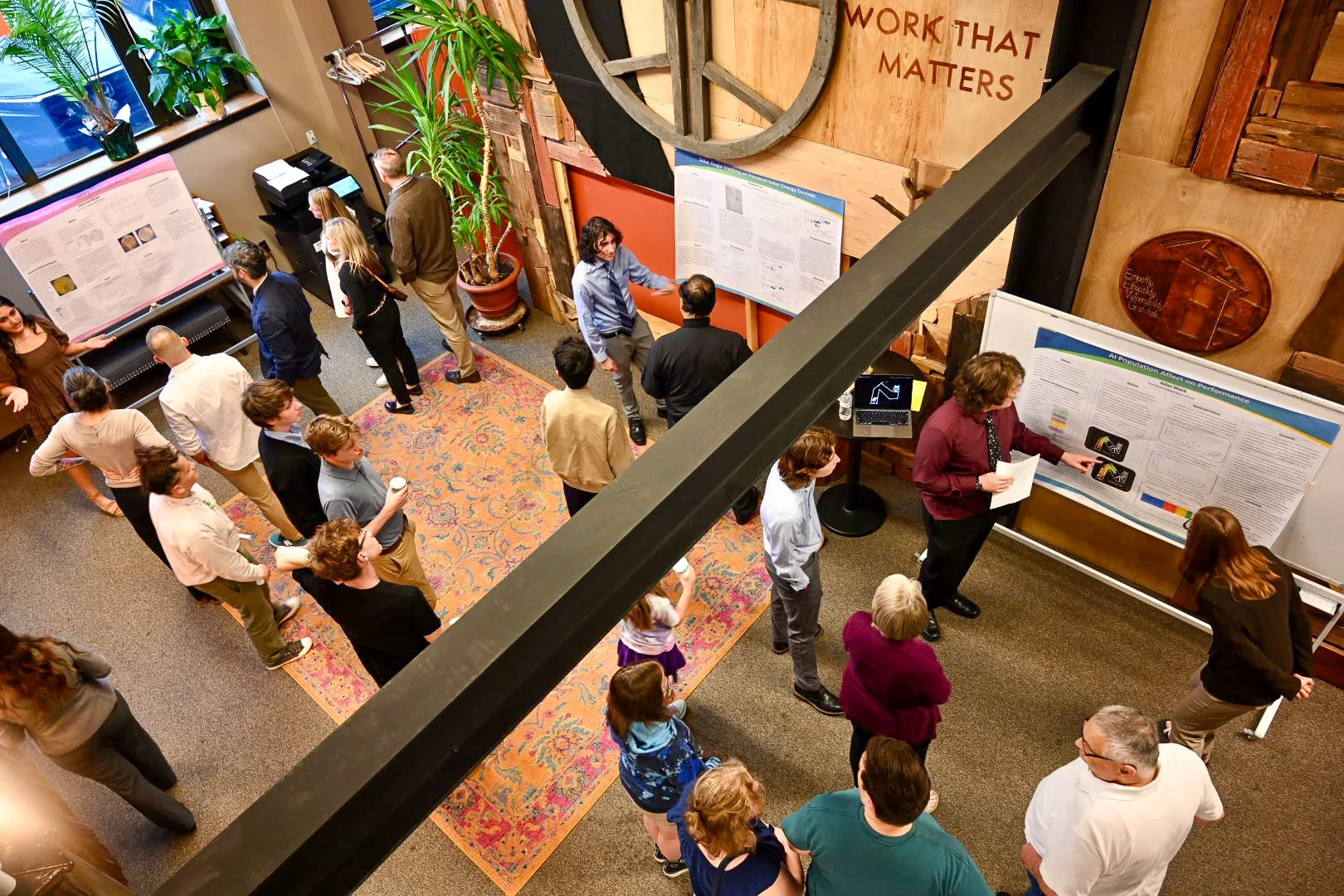
The Middle School EdVenture
Rigor. Research. Rhetoric.
The Exhibition Program is a hallmark of the Stone experience, a scaffolding of public intellectual defense that begins in eighth grade and culminates with the Senior Defense.
We launch this journey with EdVenture, recognizing that eighth grade is a profound developmental threshold. It is the year students stop asking "What is the answer?" and start asking "Who is telling me this, and why?" EdVenture is designed to meet that shift head-on.
By the time our students reach the end of their American Humanities studies, they have transitioned from consumers of information to analysts of the American landscape. EdVenture is the formal expression of that transition — a rigorous, research-based interrogation of the products and ideas that shape the United States.
Whether they are analyzing a technological trend, a social habit, or a political trope, students must prove they have the research to back their argument and the rhetorical skill to change an audience's mind. By choosing their own line of inquiry, they move from being recipients of information to being the architects of their own arguments.
Thirteen and fourteen-year-olds are often underestimated, but we see this age as the beginning of intellectual sovereignty. Moving a 3-5 page academic paper out of the private vacuum of a gradebook and onto the public stage validates that a student's voice has weight.
There is a profound shift that happens when a student speaks to an audience of peers, parents, and mentors; it proves that their ideas can — and should — influence the community.
The confidence gained from navigating this challenge is the true capstone of the Middle School experience.
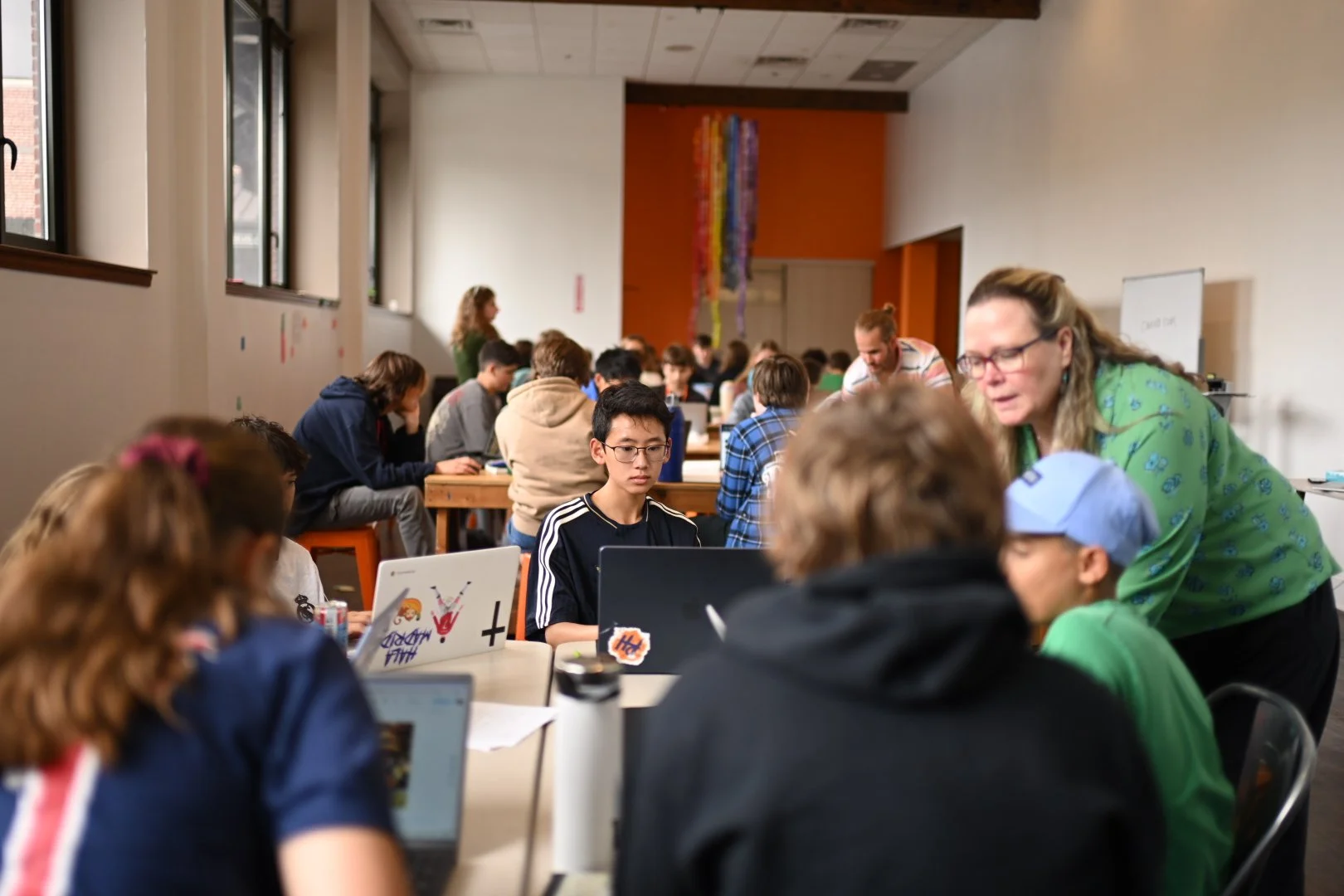
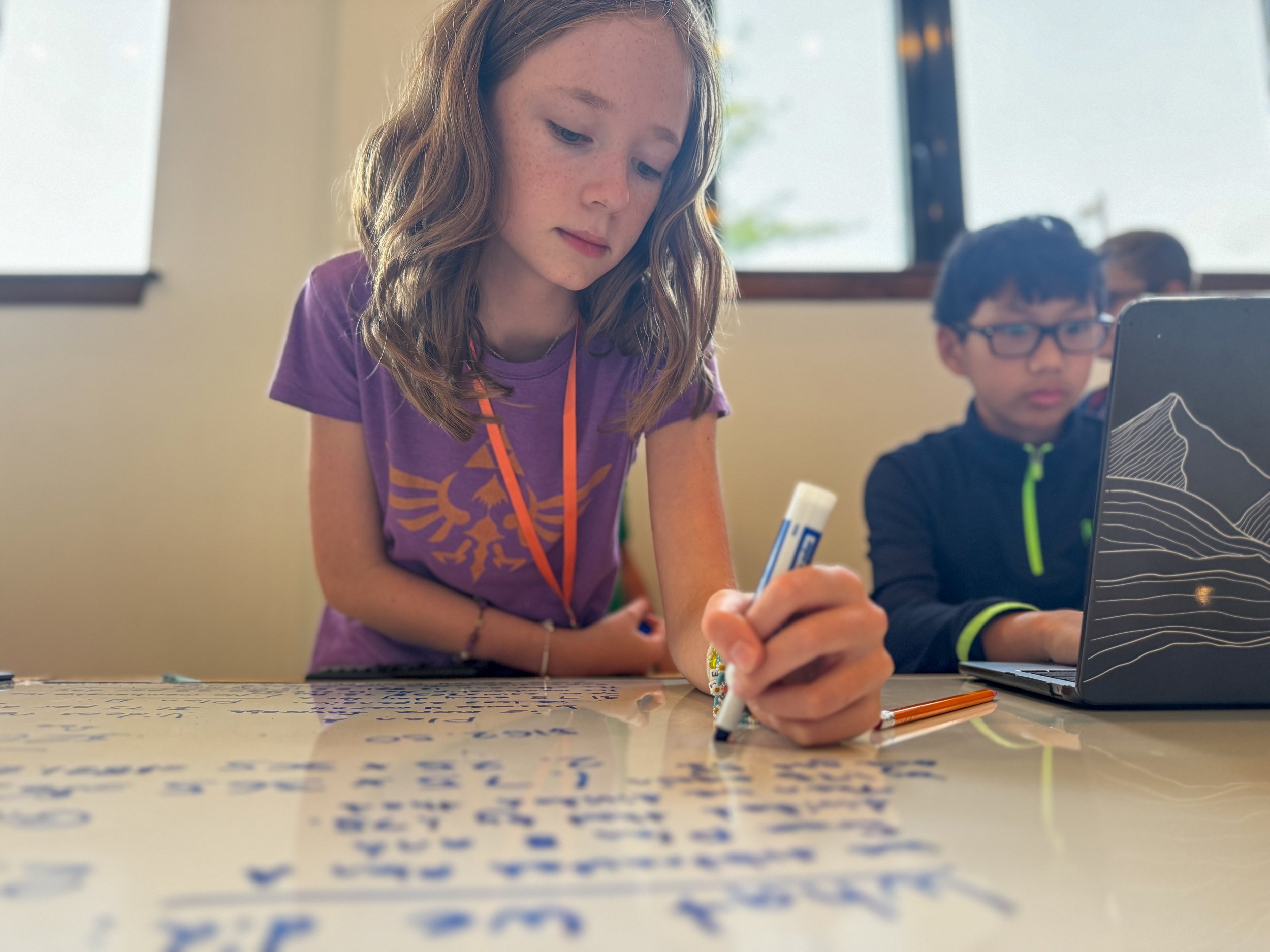
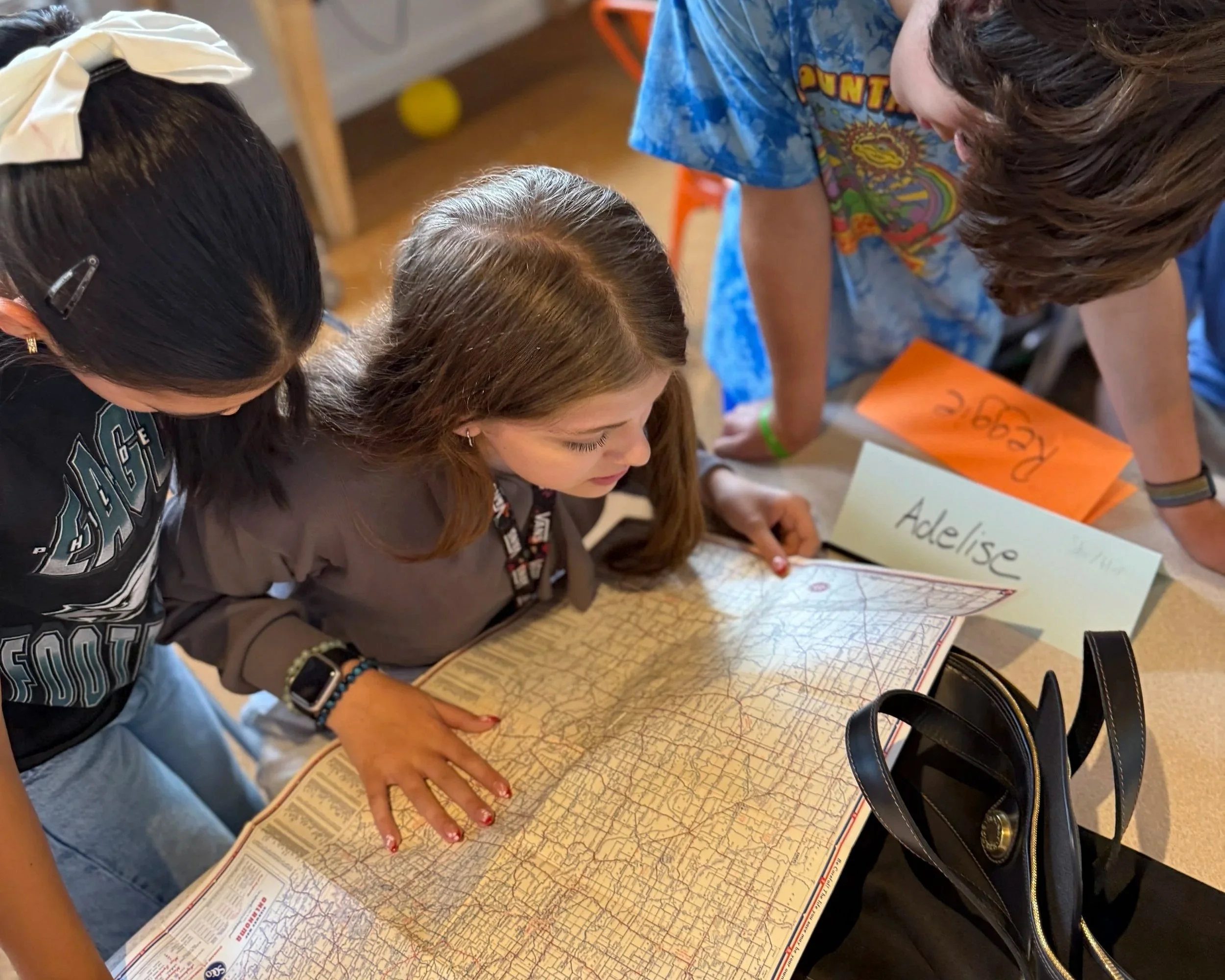
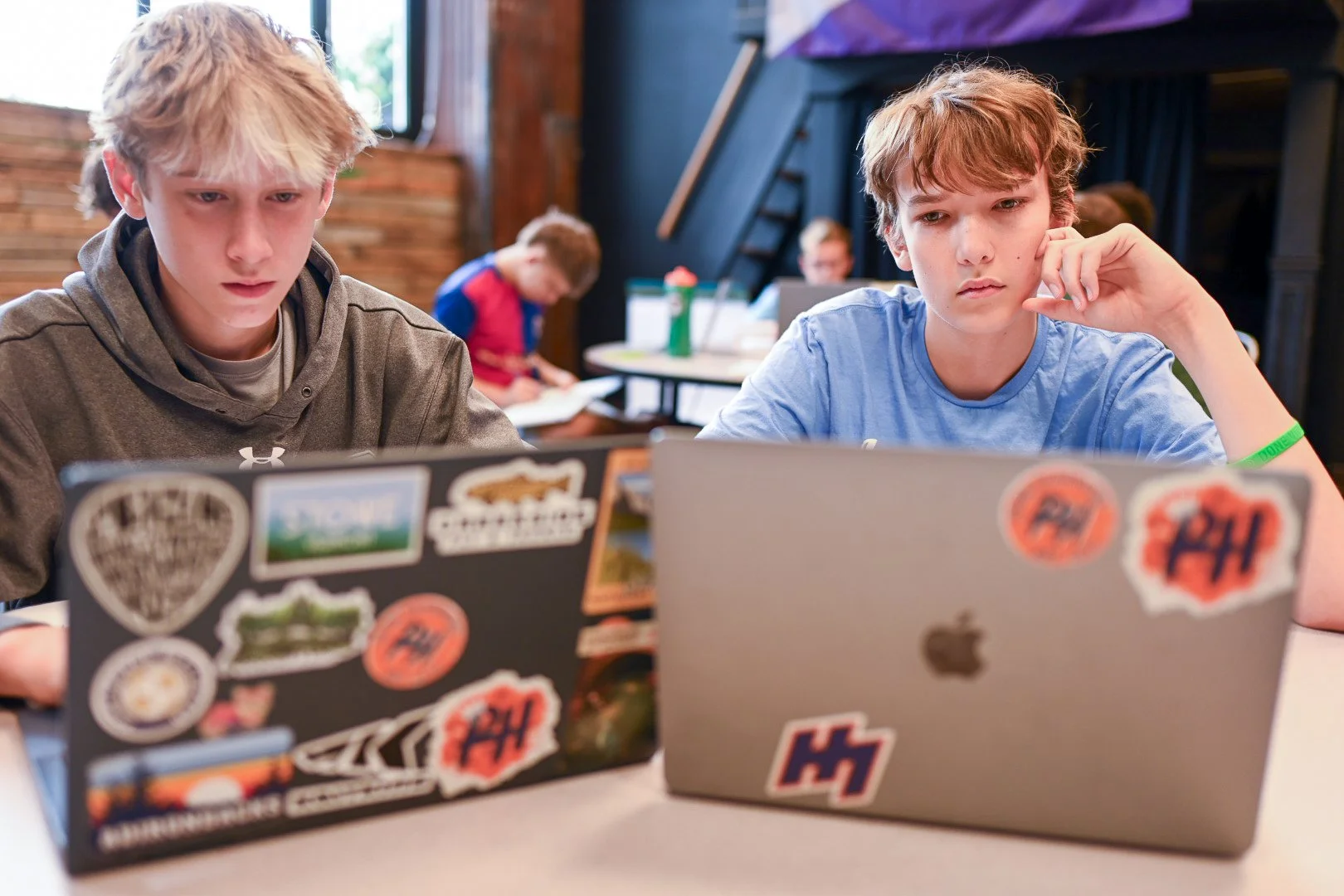
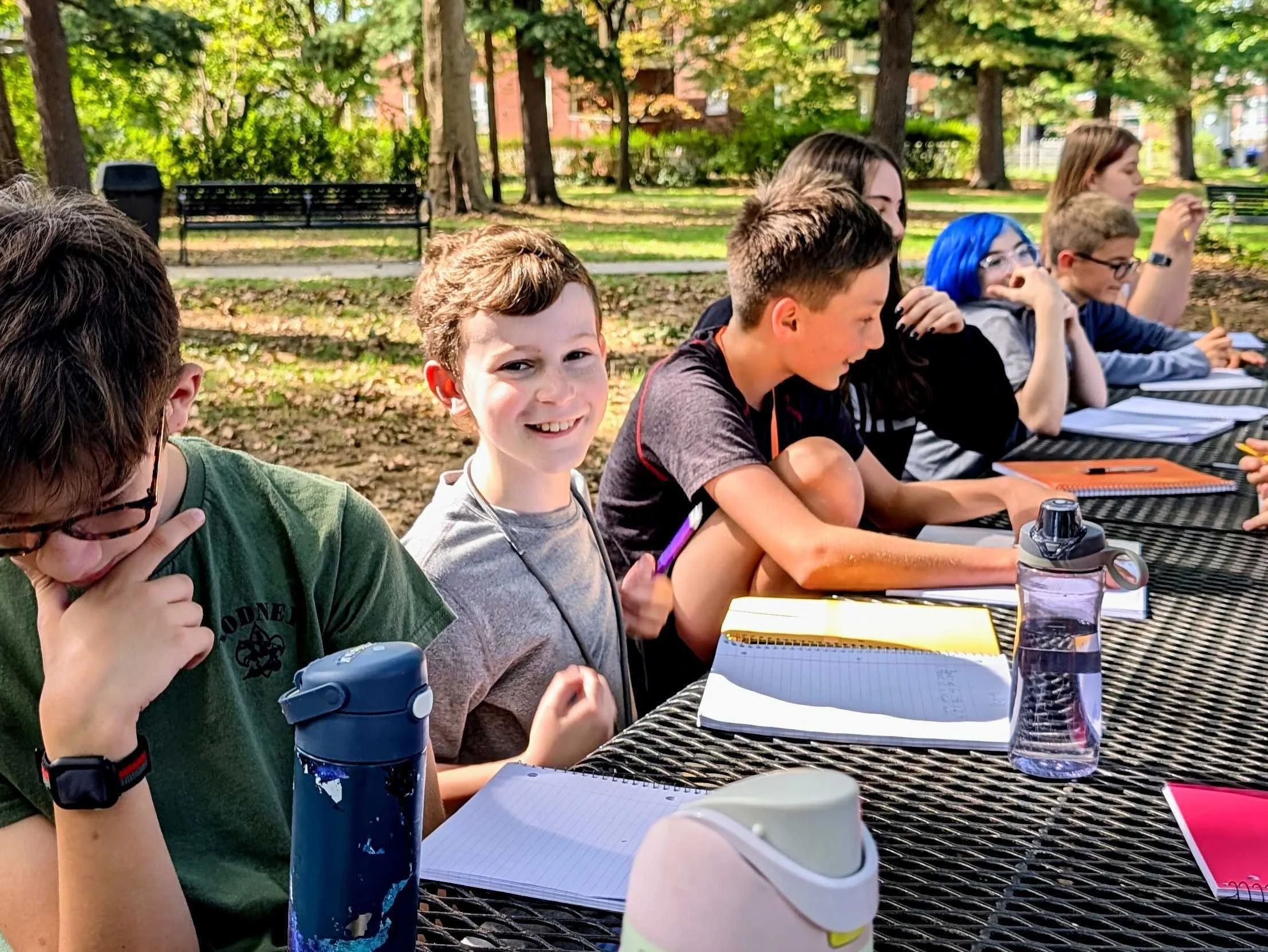
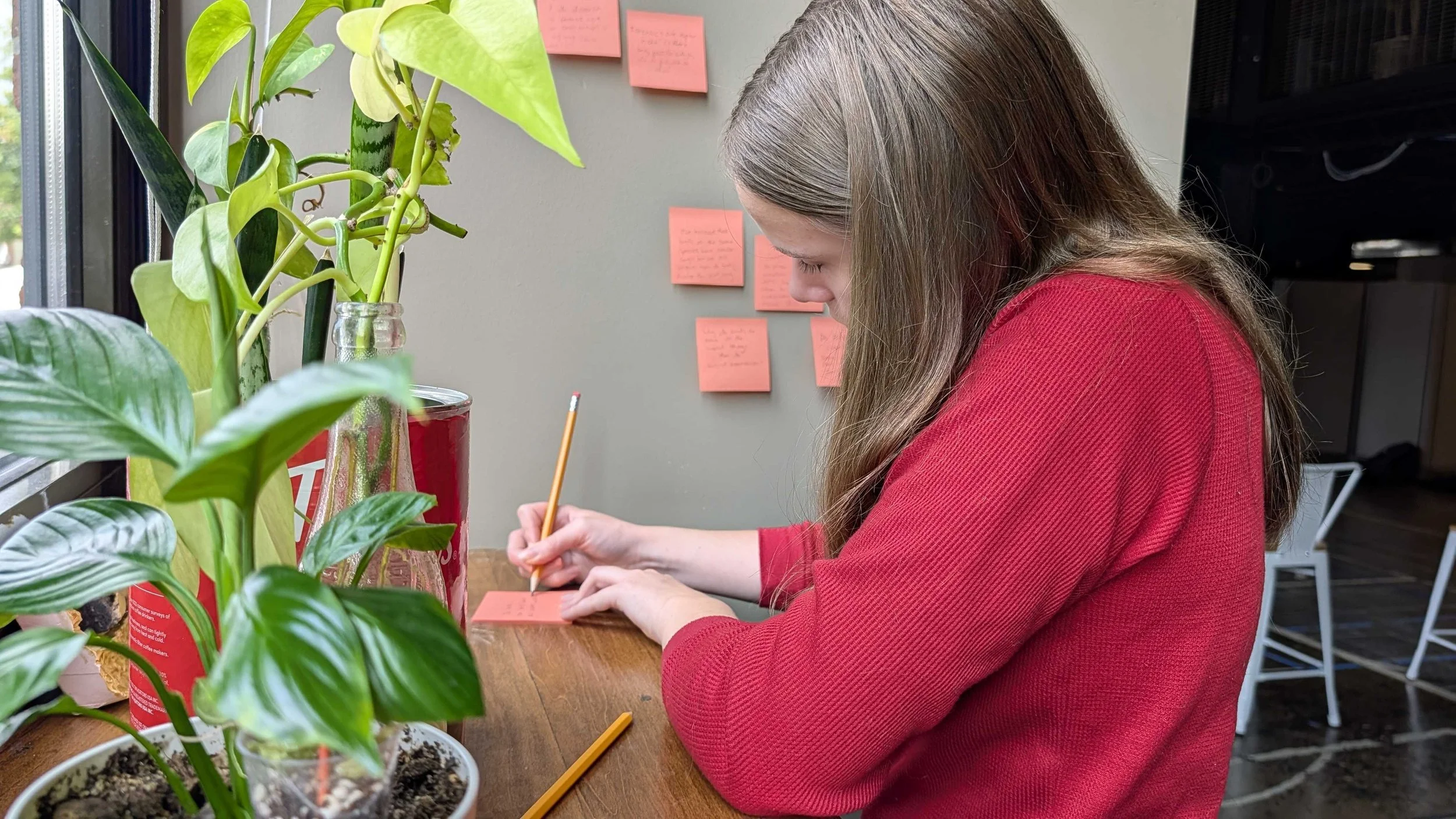
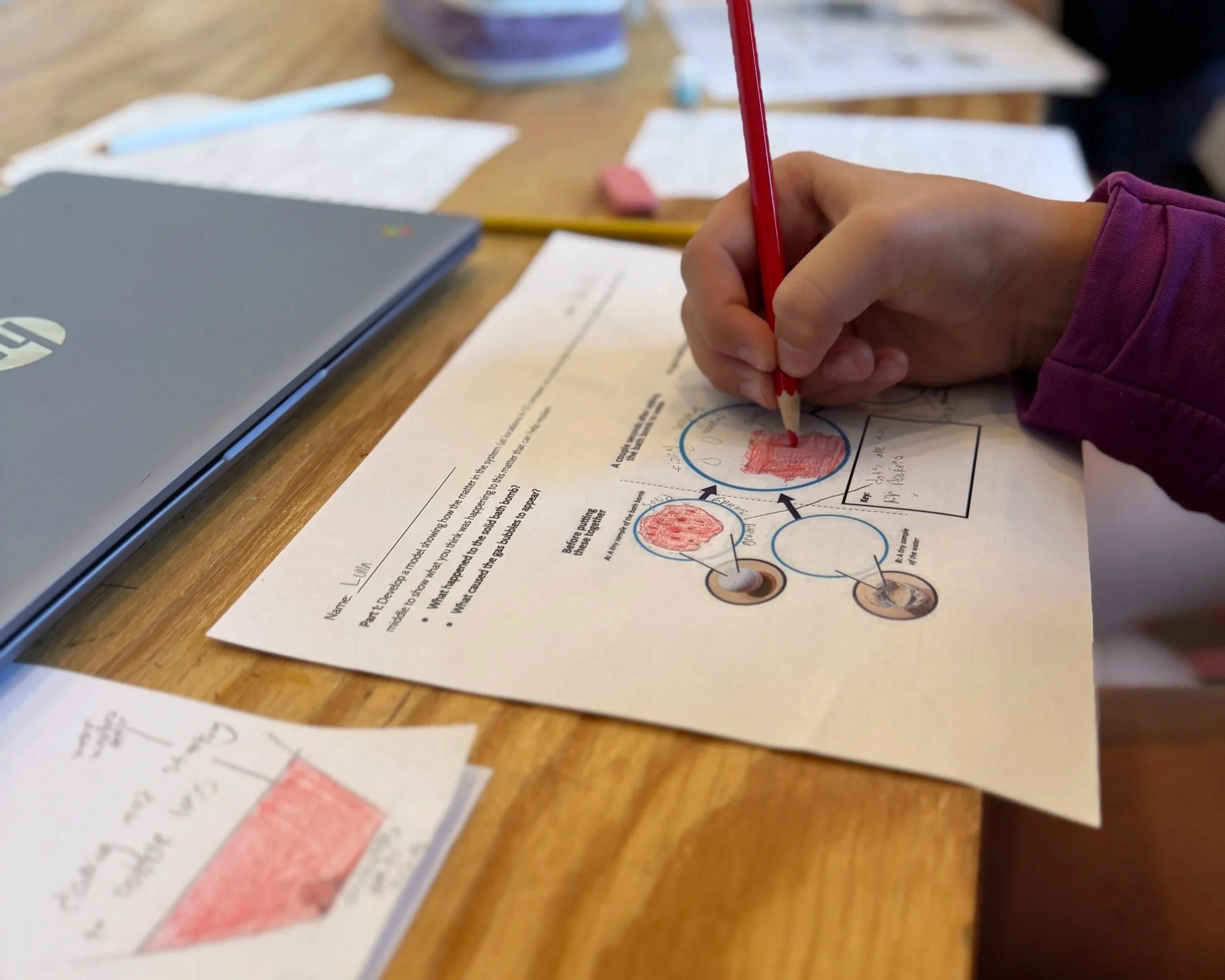
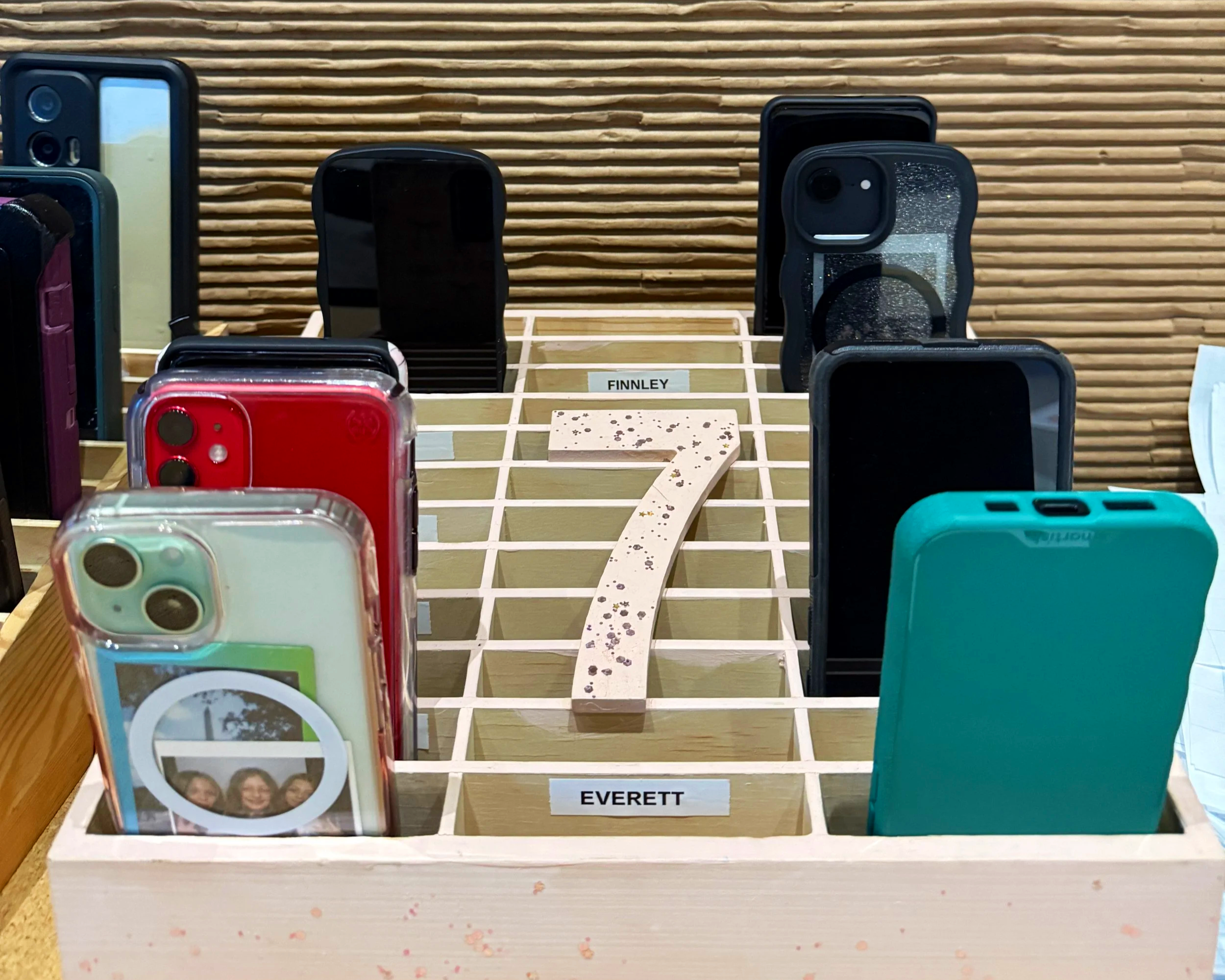
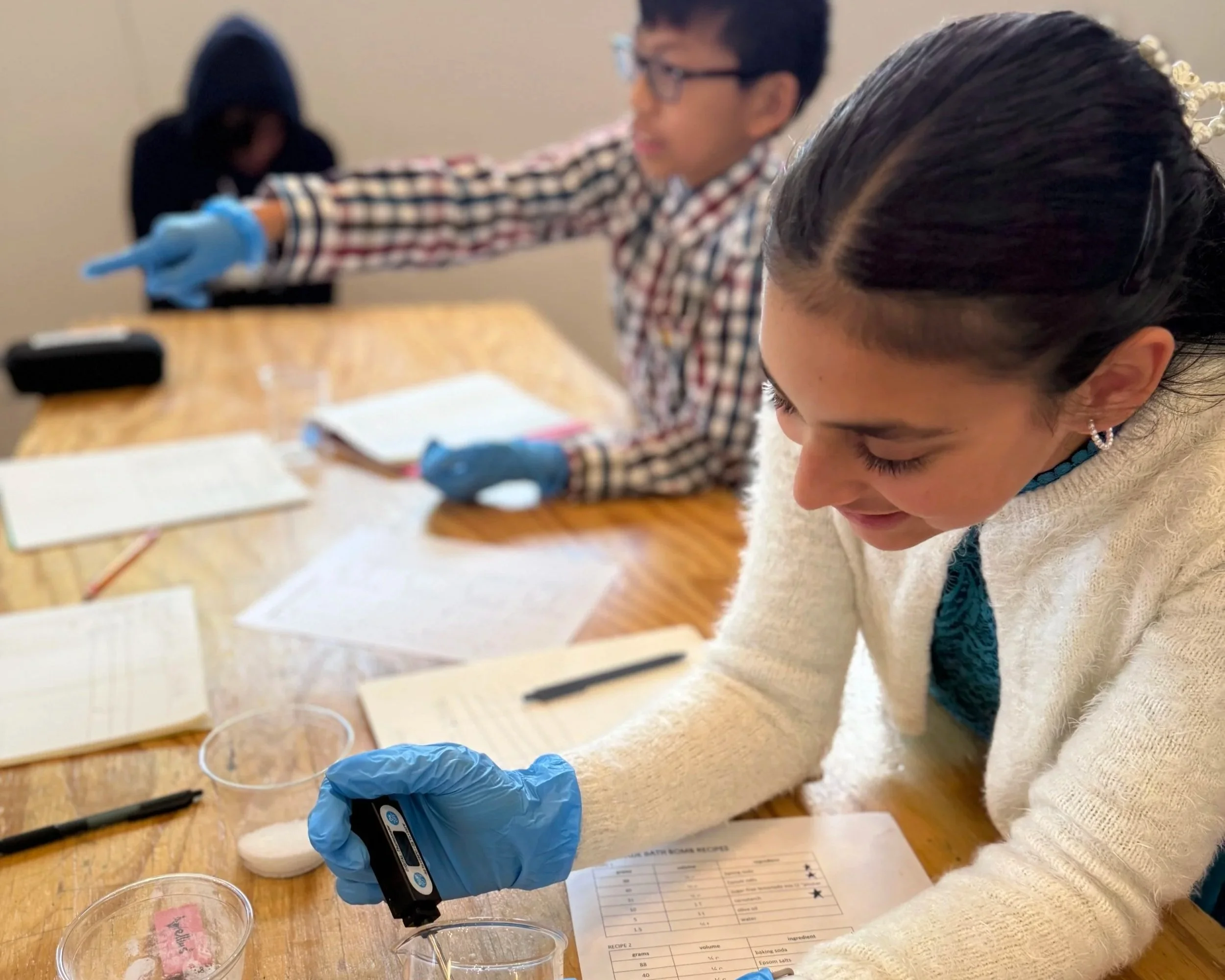
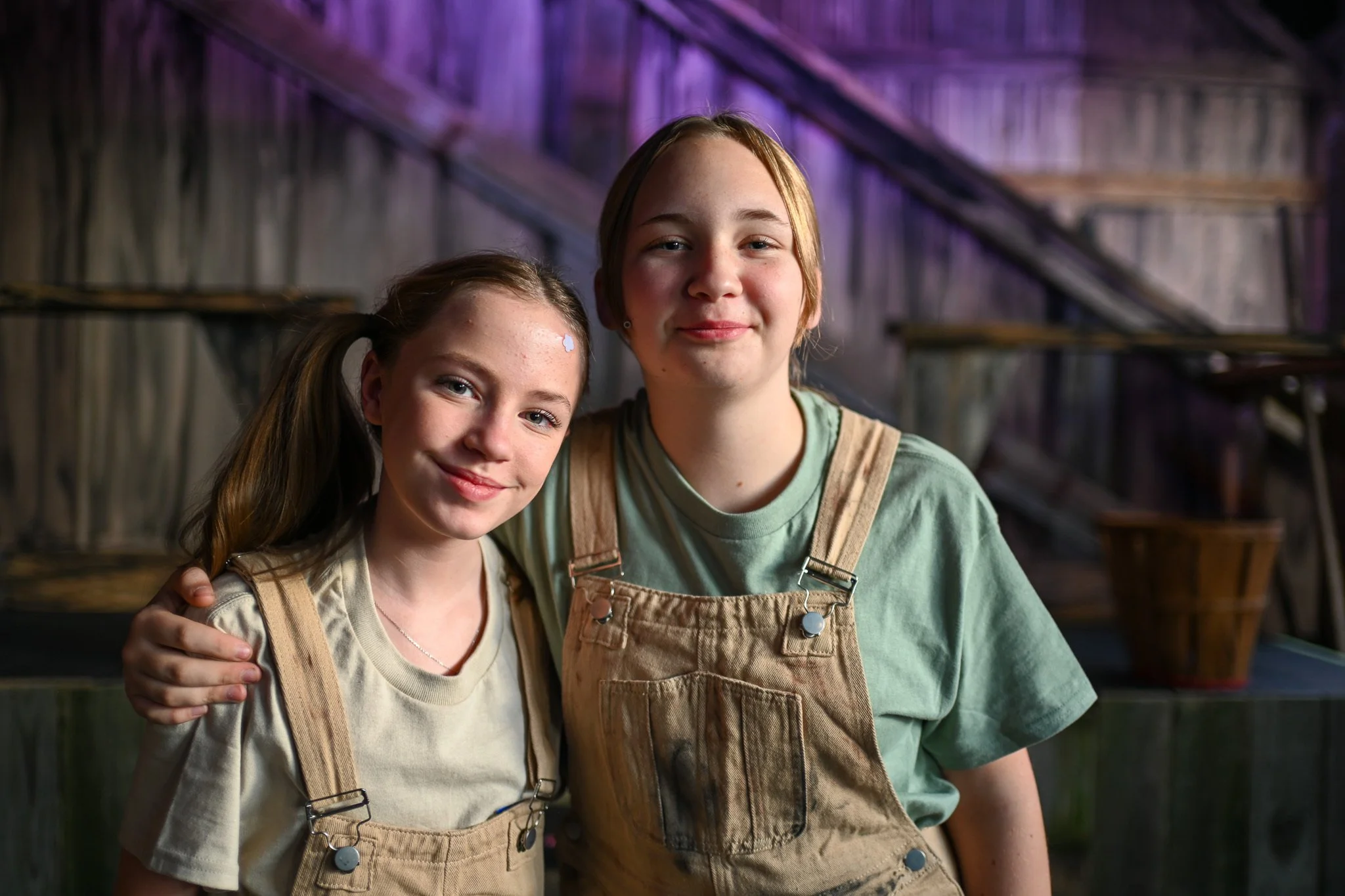
Project Spotlight: The Food Truck Challenge
Since we believe in confronting real-world challenges at the starting line, we gave Middle School students the “Food Truck Challenge” during orientation this year. Though ultimately students decided that renting a Food Truck is expensive, complicated, and perhaps more than is needed for the event they planned, they jumped right into big ideas and unbounded design.
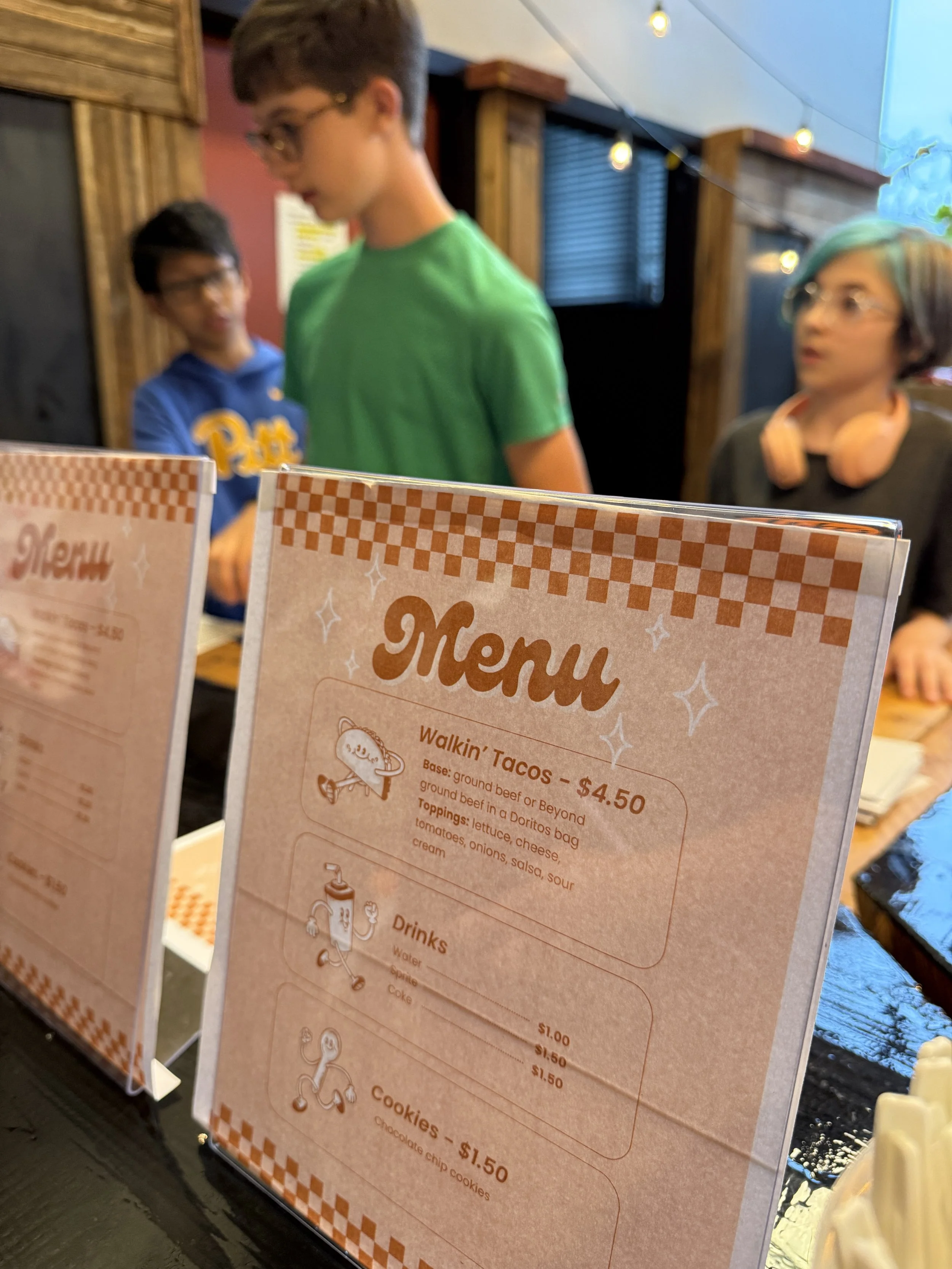
Intentional features of this collaborative project:
A “flash pitch” — our way of immersing the students in the “doing” of the Aristotelian Triangle.
Iterating pitches without specific direction. They evolved splendidly, using an entrepreneurial mindset and design thinking without even knowing it. Of course, there is much more direct instruction and practice of those three hallmark Stone frameworks (The Aristotelian Triangle, Entrepreneurial Mindset, and Design Thinking), but those sometimes-abstract concepts make a lot more sense when a student can put a name to something that they’ve already drafted.
Assessment and feedback: to help them learn and attach more value to feedback than to points. A student at Stone confronts a lot of feedback during their six years with us, and so we like to get started with that process early on.
Experiencing group dynamics, designing budgets, planning production, considering marketing, and delegating tasks.
An intentional debrief and an abundance of opportunities to iterate these skills over the remainder of their academic year — in all of their Middle School classes, through their work in the science fair, and, for 8th grade students, during their culminating project, EdVenture.
#ExploreEverywhere
The Stone Independent School is a progressive, interdisciplinary K-12 school which believes that all students learn best by doing.
Assessment vs. Grades in Middle School
In order to ease the transition from Middle to Upper School, we ask students to consider the overlapping relationships between skills development, qualitative feedback, habits of mind, and graded assessment.
We allow each Middle School student to view an updating gradebook all year, however, this is just to help students start to see connections between study skills, relationship to deadlines, and relationship to work.
In Mods 1, 2, and 3, a “shadow grade” is included in the report card comments for both 7th and 8th grade students. In Mods 4, 5, and 6, 8th grade students will receive an official grade on the report card. This official grade will be coupled with a natural and gradual increase in academic challenge, personal responsibility, and project management that prepares students for Upper School. It’s worth noting that official transcripts do not begin until 9th grade; a student’s Middle School record is never sent to colleges or post-secondary programs.
We hope that through this “practice grading” they learn to take more responsibility for their own academic journeys, a skill that we know takes a lot of practice over the six years before college!
-
We tend to practice formative assessments (those that help inform teaching and shape the learning process) more often than summative assessments (final assessments of learning). We test our students’ skills and content proficiency all the time, through a range of methods and always in ways to encourage consistent improvement.
Feedback and assessment should form a dialogue between the student and anyone who evaluates their work. Any assessment of student work is given as constructive criticism, with the expectation that the student uses the feedback to inform a better product. The utility of assessment is not in simply informing the student how successful they were, but instead given as advice for improved iterations of the work.
-
Because we are a problem-based school, our students encounter complex (or "wicked") problems throughout the work they do. We empower our students to grapple with complex problems by supply them with four core problem-solving frameworks:
Systems Thinking
Design Thinking
Entrepreneurial Mindset
The Aristolean Triangle
-
STEM Honors. By invitation/application only. Students in STEM Honors engage in a year-long independent and novel research project that is largely conducted outside of school hours. They are required to produce significant academic artifacts and meet regular deadlines to be allowed to remain in the program and to exhibit on Honors Night. Students who earn STEM Honors will have that achievement designated on their transcripts, as well as be recognized at Commencement.
Humanities Honors. By invitation/application only. Students in Humanities Honors in a self-directed and research-based project outside of the ordinary course offerings of the department. The program requires students to be inquisitive, exploratory, experimental, and bold and exhibit evidence of the most difficult application of the skills-centered work we practice at Stone. Students who earn Humanities Honors will have that achievement designated on their transcripts, as well as be recognized at Commencement.
Global/Experiential Education Program. Woven into our 7-12 curriculum. We believe that offering meaningful opportunities for students to dive deeply into academic, social, and cultural learning outside of our our regular coursework cultivates curiosity, empathy, identity, and confidence. We also believe strongly in the power of reflection that experiential learning provides. Several of our students have identified future areas of post-secondary study through our experiential education programs. Recent trips have including spelunking, marine research on a sailboat in the Bahamas, Patagonia rewilding, Icelandic earth science research, and National Parks trekking trips.
Leadership Education Ecosystem.
The Big Curiosity Quest (Sophomore Year). The Big Curiosity Quest. Required for 10th grade students. Born in the spring of 2020 when Stone used the necessary pivot to distance learning to temporarily re-write our curriculum into an interdisciplinary inquiry-based experience, the BCQ is now a one-Mod research course where students are asked to respond to a single, interdisciplinary question in the form of public presentation and exhibition of synthesis. This course requires an intentional practice of being curious, an emphasis on process, and the ability to unpack difficult concepts.
Junior Workshop. Required for 11th grade students. The Junior Workshop is a two-Mod course for which eleventh-grade students create knowledge, insight, beauty and/or function by executing a project which arises out of their own passions. The project requires significant research, but a student’s product may not be a report on this knowledge: they must bring something new into the world. Students are evaluated on their original research, product design, and project management skills. Students must give a 15-minute presentation followed by a 15-minute Q&A from a Faculty Panel to complete the course.
Senior Defense. Required for 12th grade students. Senior Defense is a significant research project that serves as a synthesis of learning, and the defense of a student’s academic and intellectual growth during their time at Stone. Senior Defense is different from a capstone project in that a student is given a personalized question to which they respond in depth. Pre-advising for the question takes place from October to December, questions are sent in March, and in June students must deliver their final response during a 30-minute presentation, defending their process and “product”, followed by a 30-minute Q&A with a Faculty Panel.
Comprehensive, Multi-Year Entrepreneurial Thinking Program. The Stone Independent School is the first school in our region to offer a comprehensive, multi-year, entrepreneurial program. Students are required to take Entrepreneurial Thinking I & II, and they are expected to apply an “entrepreneurial mindset framework” to all challenges they encounter during their time at Stone. We ask them to recognize and act on opportunity, practice making decisions with limited information, and remain adaptable and resilient in conditions that are uncertain and complex.
Physics-First, Integrated Sciences Program. Our 9-11th science program is a physics-first, integrated sciences program, wherein students take physics, chemistry, and biology lab courses each year. Ninth-grade students also take a required science data and measurement course called Structured Curiosity.
-
The Portrait of a Graduate provides direction for our course development. The language of Stone’s Portrait of a Graduate began with faculty describing the hopes and the dreams we had for young people: what would really prepare them for the world into which they’d be released? What would make them independent, well-read, empathetic, creative, and curious? What kind of competencies could ensure effective problem-solving and activate imagination? What would make them strong logical thinkers and confident contributors? How could we decenter the “self” whilst simultaneously cultivating selfhood?
Our goal for all students is that they demonstrate evidence of proficiency or mastery in the core skills of each course they take; their proficiency is assessed through a culture of feedback as well as grading. All of it should align upward: the work our students do in their classrooms serves to help master the skills; the skills they practice enable them to respond to "Big Questions"; those questions serve as trailheads on their journey through the competencies in our Portrait of a Graduate; the Portrait of a Graduate empowers each of us to serve and execute our Mission.
1. Design Thinking. Interacting, reflection, collaborating, incorporating feedback, viewing failure as an opportunity to learn, and acknowledging that innovation requires small successes and frequent mistakes;2. Leadership and Teamwork. Initiating new ideas and leading through influence; facilitating group discussions, forging consensus, and negotiating outcomes; collaborating on tasks, managing groups, and delegating responsibility;
3. Rhetoric. Writing, speaking, and reading across disciplines;
4. Risk-taking and Initiative. Bringing a sense of courage to unfamiliar situations; exploring and experimenting; working effectively in a climate of ambiguity; and cultivating an independence of spirit to explore new roles;
5. Civics. Applying personal communication skills, knowledge of political systems, and the ability to think critically about civic and political life to become engaged citizens.
6. Global Perspectives. Developing open-mindedness, particularly regarding the values and traditions of others; understanding non-western history, politics, culture, and religions; developing facility with one or more foreign languages; developing social and intellectual skills to navigate effectively across cultures; using 21st Century skills to address global issues;
7. Entrepreneurial Mindset. Using creativity and imagination to solve problems; recognizing and acting on opportunity; being capable of making decisions with limited information; remaining adaptable and resilient in conditions that are uncertain and complex.
8. STEM Literacy. Identifying, applying, and experimenting with integrated concepts from science, technology, engineering and mathematics to describe and solve complex problems.
Curriculum.
In the Upper School at Stone, we log similar instructional hours in just three Mods to what a more standardized school covers in a full year. In Middle School, we draw things out a bit more, so that teachers have the opportunity to take intellectual “side trips” and to dive more deeply into skills practice.
Full Year (6 Mods) Humanities and Science Curriculum
This allowance of time provides the opportunities to analyze literature, gain proficiency in academic writing, and think historically in order to build the strong foundation they’ll need for Upper School humanities courses. Our Middle School science curriculum also spans the full school year, helping students build strong scientific thinking and experimentation skills in life sciences, engineering, and physics.
We do not believe that visual and performing arts should be sidelined either, and instead of being “specials”, we include art, music, and theatre arts in the core Middle School curriculum because we believe that learning how to see, learning how to speak publicly, and learning how to listen are vital pieces to a holistic education in adolescence and play a vital role in intellectual identity development.
Capacity Building.
-
Science 7
(3 Mods)Math 7
(5 Mods)Physics 7
(1 Mod)Engineering 7
(1 Mod)STEAM 7
(1 Mod)Humanities 7
(6 Mods)Art 7
(3 Mods)Chinese 7
(1 Mod)Health 7
(1 Mod)Music 7
(1 Mod)Theatre Arts 7
(1 Mod) -
Science 7
(4 Mods)Math 7
(5 Mods)Physics 7
(1 Mod)Engineering 7
(1 Mod)STEAM 7
(1 Mod)Humanities 7
(6 Mods)Art 7
(3 Mods)Chinese 7
(1 Mod)Music 7
(1 Mod)Theatre Arts 7
(1 Mod) -
Our campus has the unique advantage of a location in the heart of the eastern Lancaster city – with access to parks, architecture, museums, diverse culture, and local history – literally steps from our front door.
The ability to utilize the “City as Our Classroom” allows our students the opportunity to shape both a sense of place and a sense of self. -
The arts – vocal, musical, performing, and visual – are central to developing creative problem-solvers, keen observers, and confident communicators.